 Call
Call 


How Restorative Dentistry Helps Preserve Natural Teeth
Maintaining a healthy, natural smile is more than just an aesthetic goal—it is essential for overall oral health and well-being. Restorative dentistry plays a crucial role in preserving natural teeth, repairing damage, and preventing further oral health complications. Whether caused by decay, trauma, or wear and tear, dental problems can significantly impact your quality of life. Fortunately, advancements in restorative dental care provide safe, effective solutions that protect your natural teeth while restoring function and appearance.
Understanding Restorative Dentistry
Restorative dentistry is a branch of dentistry focused on diagnosing, preventing, and treating oral health problems that compromise the structure and function of your teeth. Unlike cosmetic dentistry, which primarily enhances the appearance of your smile, restorative dentistry aims to repair damage, restore function, and prevent further deterioration of natural teeth.
Common issues addressed by restorative dentistry include:
- Dental decay and cavities
- Cracked, chipped, or broken teeth
- Tooth loss due to injury or disease
- Wear and tear from grinding (bruxism)
- Failed dental restorations
By addressing these issues promptly, restorative dentistry not only improves oral health but also helps patients retain as much of their natural dentition as possible.
The Importance of Preserving Natural Teeth
Natural teeth provide numerous benefits that artificial replacements cannot fully replicate. Some of the most important advantages include:
1. Maintaining Proper Bite and Jaw Alignment
Missing or damaged teeth can alter your bite, leading to uneven pressure on other teeth and jaw discomfort. Preserving natural teeth ensures proper alignment and reduces the risk of temporomandibular joint (TMJ) disorders.
2. Supporting Facial Structure
Teeth play a crucial role in supporting the shape of your face. Losing teeth can lead to sagging facial muscles and an aged appearance. Restorative treatments help maintain the integrity of your facial structure.
3. Efficient Chewing and Digestion
Healthy, natural teeth allow for effective chewing, which is essential for proper digestion and nutrient absorption. Preserving teeth helps maintain overall health and nutrition.
4. Preventing Further Oral Health Issues
Missing or damaged teeth can lead to shifting, bone loss, and gum disease. By restoring teeth, restorative dentistry prevents cascading oral health problems.
Common Restorative Dentistry Treatments
Restorative dentistry offers a range of treatments tailored to each patient’s unique needs. Here are some of the most common options:
1. Dental Fillings
Dental fillings are the most widely used restorative treatment for cavities caused by tooth decay. The dentist removes decayed portions of the tooth and fills the cavity with a durable material, such as:
- Composite resin: Tooth-colored and aesthetically pleasing.
- Amalgam: Durable metal filling, often used for molars.
- Glass ionomer: Releases fluoride to help prevent further decay.
Benefits: Fillings restore the tooth’s structure, prevent further decay, and preserve natural teeth for years when maintained properly.
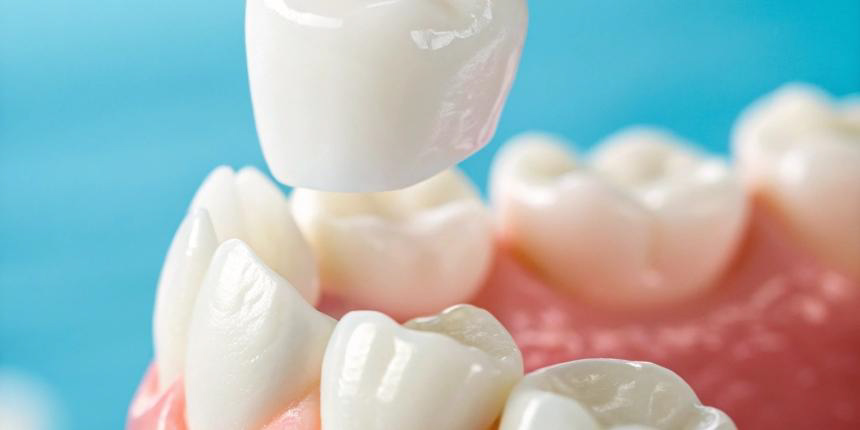
2. Dental Crowns
Crowns are tooth-shaped caps that cover damaged teeth to restore their strength, shape, and appearance. They are often recommended for teeth that:
- Have large cavities
- Are cracked or fractured
- Have undergone root canal treatment
Materials used for crowns: porcelain, ceramic, metal alloys, or a combination for durability and natural appearance.
Benefits: Crowns protect weakened teeth from further damage, improve function, and maintain your natural bite.
3. Root Canal Therapy
When tooth decay reaches the pulp (inner tissue of the tooth), a root canal may be necessary. This procedure involves:
- Removing the infected pulp
- Cleaning and disinfecting the root canals
- Sealing the tooth with a filling or crown
Benefits: Root canal therapy saves teeth that might otherwise need extraction, alleviates pain, and prevents the spread of infection.
4. Dental Bridges
A dental bridge replaces one or more missing teeth by anchoring artificial teeth to adjacent natural teeth. Bridges are commonly made from porcelain, ceramic, or metal and are designed to blend with natural teeth.
Benefits: Bridges restore chewing ability, maintain facial shape, and prevent adjacent teeth from shifting.
5. Dental Implants
Dental implants are artificial tooth roots placed into the jawbone to support crowns, bridges, or dentures. While implants replace missing teeth, they also help preserve jawbone density and overall oral health.
Benefits: Implants are durable, look natural, and prevent bone loss that often accompanies tooth loss.
6. Dentures
Dentures are removable appliances that replace missing teeth and surrounding tissues. Modern dentures are more comfortable and realistic than ever before, and they help patients regain function and confidence.
Benefits: Dentures restore chewing and speech, support facial structure, and prevent further oral health problems caused by tooth loss.
How Restorative Dentistry Preserves Natural Teeth
Restorative dentistry preserves natural teeth by addressing dental issues before they become severe. Here’s how:
- Preventing Tooth Loss: Early intervention through fillings, crowns, or root canals prevents decay and damage from progressing to the point where extraction is necessary.
- Strengthening Weakened Teeth: Treatments like crowns and inlays/onlays reinforce compromised teeth, allowing them to continue functioning normally.
- Protecting Adjacent Teeth: Restorative procedures such as bridges prevent surrounding teeth from shifting into gaps caused by missing teeth, preserving overall dental alignment.
- Maintaining Oral Function: By restoring damaged teeth, patients can chew and speak effectively, reducing the strain on other teeth and promoting long-term oral health.
- Minimizing Future Complications: Timely restorative care reduces the risk of infections, bone loss, gum disease, and other issues that can compromise natural teeth.
Advances in Restorative Dentistry
Modern dentistry has made restorative treatments more effective, durable, and natural-looking. Some notable advancements include:
- Tooth-Colored Materials: Composite resins and ceramics blend seamlessly with natural teeth, making restorations nearly invisible.
- Laser Dentistry: Minimally invasive procedures reduce discomfort and recovery time.
- Digital Impressions: Computer-aided design ensures precise fit for crowns, bridges, and implants.
- Sedation Dentistry: Makes complex restorative procedures comfortable, reducing anxiety for patients.
These innovations allow dentists to save more natural teeth while enhancing patient comfort and treatment outcomes.
Long-Term Benefits of Restorative Dentistry
Investing in restorative dentistry has numerous long-term benefits:
- Enhanced Oral Health: Repairs damage and prevents infections, decay, and gum disease.
- Preservation of Natural Teeth: Maintains your natural dentition and overall dental function.
- Improved Appearance: Natural-looking restorations enhance confidence and self-esteem.
- Better Quality of Life: Allows normal chewing, speaking, and smiling without discomfort.
- Cost Savings: Preventing severe dental issues reduces the need for more extensive and expensive treatments in the future.
Frequently Asked Questions
1. What is restorative dentistry?
Restorative dentistry focuses on repairing damaged teeth, restoring function, and preserving natural teeth.
2. Why is preserving natural teeth important?
Natural teeth support proper chewing, jaw alignment, facial structure, and long-term oral health.
3. Is restorative dentistry different from cosmetic dentistry?
Yes, restorative dentistry improves function and health, while cosmetic dentistry focuses mainly on appearance.
4. What are the most common restorative dental treatments?
Common treatments include fillings, crowns, root canals, bridges, implants, and dentures.
5. Can restorative dentistry prevent tooth loss?
Yes, early restorative treatments can stop decay or damage from progressing to tooth extraction.
6. Are restorative dental procedures painful?
Most procedures are comfortable with modern anesthesia and sedation options.
Restorative dentistry is a vital component of modern oral healthcare, offering solutions that preserve natural teeth, restore function, and enhance quality of life. From fillings and crowns to root canals and dental implants, these treatments prevent further damage, alleviate pain, and maintain the structure and appearance of your teeth.
Preserving natural teeth is not just about appearance—it’s about health, function, and well-being. Combining restorative treatments with preventive care, healthy lifestyle choices, and regular dental visits ensures your natural teeth last a lifetime.
Investing in restorative dentistry today protects your smile tomorrow, offering comfort, confidence, and lasting oral health. By choosing the Best Restorative Dentistry in Houston, TX, and understanding the value of preserving natural teeth, you can make informed decisions that safeguard your smile and overall well-being.