 Call
Call 


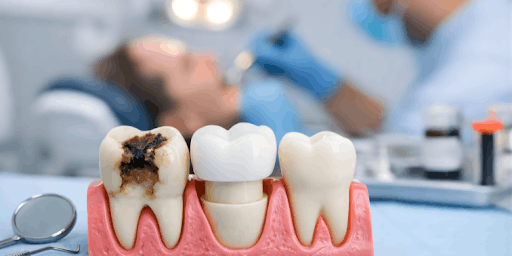
Can Dental Crowns Fix Severe Tooth Decay or Cracked Teeth?
Severe tooth decay and cracked teeth are more than cosmetic concerns; they can threaten the long-term health, function, and stability of your smile. When damage goes beyond what a simple filling can repair, a dental crown is often one of the most effective and reliable treatment options available. But can a dental crown truly fix severe decay or structural fractures? The answer, in many cases, is yes.
In this guide, we’ll explain how dental crowns work, when they are recommended, and why they are considered a trusted solution in restorative dentistry.
What Is a Dental Crown?
A dental crown is a custom-made cap that completely covers a damaged or weakened tooth. It is designed to restore the tooth’s:
- Shape
- Size
- Strength
- Appearance
- Function
Crowns are commonly made from materials such as porcelain, ceramic, zirconia, metal alloys, or a combination of these. Modern crowns are crafted to blend seamlessly with natural teeth, providing both durability and aesthetics.
Dentists typically recommend a dental crown when a tooth is too damaged for a filling but not so compromised that it requires extraction.
When Is a Dental Crown Needed?
1. Severe Tooth Decay
Tooth decay begins when bacteria break down enamel, creating cavities. Small cavities can be treated with fillings. However, when decay becomes extensive, affecting a large portion of the tooth structure, a filling may not provide enough support.
In these cases, a dental crown is used to:
- Remove decayed tissue
- Protect the remaining healthy tooth structure
- Prevent further damage
- Restore full chewing function
Without proper treatment, severe decay can reach the inner pulp of the tooth, potentially leading to infection, abscess formation, or tooth loss. A crown can help prevent these complications when placed in time.
2. Cracked or Fractured Teeth
Cracked teeth are common and can result from:
- Biting hard foods
- Trauma or sports injuries
- Teeth grinding (bruxism)
- Large, failing fillings
- Natural wear over time
Even small cracks can worsen if left untreated. When a crack extends into the deeper layers of the tooth, it weakens the entire structure. A dental crown acts like a protective shield, holding the tooth together and preventing the crack from spreading.
In many cases, placing a crown can save a tooth that might otherwise require extraction.
3. After Root Canal Treatment
When a tooth undergoes root canal therapy, the infected pulp is removed, but the tooth often becomes more brittle afterward. A dental crown is typically placed to strengthen and protect the treated tooth from fracture.
How a Dental Crown Restores Function and Strength
One of the main goals of restorative dentistry is to preserve your natural teeth whenever possible. A dental crown supports this goal by:
- Encasing the entire visible portion of the tooth
- Distributing biting forces evenly
- Preventing further cracking or breakdown
- Restoring proper alignment and chewing efficiency
This comprehensive coverage makes crowns especially effective for teeth that have lost significant structure.
The Dental Crown Procedure: What to Expect
Understanding the process can help patients feel more confident about treatment.
Step 1: Evaluation and Diagnosis
Your dentist will examine the tooth using digital X-rays and a clinical evaluation to determine whether a crown is appropriate. The condition of the surrounding gums and bone will also be assessed.
Step 2: Tooth Preparation
The damaged or decayed portion of the tooth is carefully removed. The remaining structure is reshaped to ensure a secure fit for the crown.
Step 3: Impression and Temporary Crown
An impression or digital scan is taken to create a custom crown that matches your natural teeth. A temporary crown is placed to protect the tooth while the permanent one is fabricated.
Step 4: Final Placement
Once ready, the permanent dental crown is bonded securely in place. Your dentist ensures proper fit, bite alignment, and comfort before finalizing the procedure.
Benefits of Choosing a Dental Crown
Long-Term Durability
With proper care, crowns can last 10-15 years or longer. High-quality materials and professional placement significantly contribute to longevity.
Preserves Natural Tooth Structure
Rather than removing the tooth entirely, a crown allows you to maintain your natural root and bone structure.
Restores Full Chewing Function
Patients often notice immediate improvement in their ability to chew comfortably and confidently.
Natural Appearance
Modern porcelain and ceramic crowns are designed to mimic natural enamel in color and translucency.
Are Dental Crowns Safe and Reliable?
From an evidence-based dental perspective, crowns are a well-established, clinically supported treatment option. When performed by a qualified dental professional using high-quality materials, dental crowns have a high success rate.
Patients with conditions such as uncontrolled gum disease or severe tooth fractures extending below the gum line may require additional treatment before a crown can be placed. A comprehensive evaluation ensures the safest and most appropriate treatment plan.
When a Crown May Not Be Enough
In some situations, severe decay or cracks may extend too deeply into the root or below the gum line. In these cases:
- Extraction may be necessary
- Dental implants or bridges may be considered
Early diagnosis is critical. The sooner severe decay or cracks are treated, the more likely a dental crown can successfully restore the tooth.
Caring for a Dental Crown
Maintaining your dental crown is similar to caring for natural teeth:
- Brush twice daily with fluoride toothpaste
- Floss regularly
- Avoid biting hard objects
- Wear a nightguard if you grind your teeth
- Schedule regular dental checkups
Good oral hygiene helps prevent decay around the edges of the crown and extends its lifespan.
Why Early Treatment Matters
Delaying treatment for severe decay or cracked teeth increases the risk of:
- Infection
- Tooth loss
- Bone deterioration
- More complex and costly procedures
Addressing the issue early with a dental crown can protect both your oral health and overall well-being. Since oral infections can impact systemic health, timely intervention supports broader health outcomes.
So, can a dental crown fix severe tooth decay or cracked teeth? In many cases, yes. A dental crown is one of the most effective restorative treatments for protecting weakened teeth, restoring function, and preventing further damage. It offers a balance of durability, aesthetics, and long-term reliability when performed by an experienced dental professional.
Frequently Asked Questions (FAQs)
1. Can a dental crown fix a severely decayed tooth?
Yes, a dental crown can restore a severely decayed tooth if there is still enough healthy structure remaining. After removing the decay, your dentist places a custom crown over the tooth to protect it, restore strength, and improve appearance. However, if the decay is too extensive, extraction may be recommended instead.
2. Is a dental crown the best option for a cracked tooth?
In many cases, yes. A dental crown fully covers the cracked tooth, preventing the crack from spreading and restoring its function. For deep cracks involving the pulp, a root canal may be needed before placing the crown.
3. How long does a dental crown last?
With proper care, a dental crown can last between 10 and 15 years or longer. Good oral hygiene, regular dental checkups, and avoiding habits like teeth grinding can help extend its lifespan.
4. Does getting a dental crown hurt?
The procedure is typically not painful because your dentist uses local anesthesia. You may experience mild sensitivity or discomfort after the procedure, but this usually resolves within a few days.
5. What materials are used for dental crowns?
Dental crowns can be made from porcelain, ceramic, metal, porcelain-fused-to-metal, or zirconia. Your dentist will recommend the best material based on the tooth’s location, your bite, and aesthetic preferences.
If you are experiencing persistent tooth pain, visible cracks, or signs of advanced decay, seeking professional evaluation is essential. For patients considering a Dental crown in houston tx, consulting a trusted local dentist can help determine whether this restorative solution is right for your smile and long-term oral health.
Early action can make the difference between saving a tooth and losing it, so don’t wait to protect your smile.