 Call
Call 


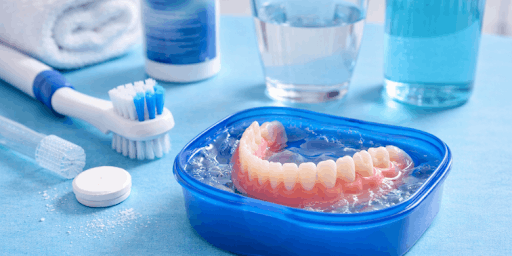
How to Properly Care for Your Dentures to Make Them Last Longer
Dentures play a vital role in restoring your smile, confidence, and ability to chew and speak comfortably. Whether you wear full or partial dentures, proper care is essential to ensure they remain comfortable, functional, and long-lasting. Like natural teeth, dentures require consistent daily maintenance and professional oversight to prevent damage, oral health issues, and unnecessary replacements.
In this comprehensive guide, we’ll explain how to properly care for your dentures, what to avoid, and how professional dental support helps extend their lifespan.
Why Proper Denture Care Matters
Dentures are custom-made dental prosthetics designed to replace missing teeth and surrounding tissues. While they are durable, they are not indestructible. Without proper cleaning and maintenance, dentures can:
- Develop stains and odors
- Harbor bacteria and fungi
- Causes gum irritation or infections
- Lose their fit over time
- Crack, warp, or break
Proper care not only protects your dentures but also safeguards your oral health. Poor denture hygiene can lead to conditions such as denture stomatitis, gum inflammation, and even systemic health concerns if infections spread.
Daily Cleaning Routine for Dentures
Consistent daily cleaning is the most important step in making your dentures last longer.
1. Rinse After Eating
After meals, remove your dentures and rinse them thoroughly under lukewarm running water. This helps eliminate food particles and debris before they harden or cause staining.
Avoid using hot water, as it can warp the material.
2. Brush Your Dentures Daily
Just like natural teeth, dentures need daily brushing. Use:
- A soft-bristled denture brush
- A non-abrasive denture cleanser
Regular toothpaste may be too abrasive and can scratch the surface of dentures, creating small grooves where bacteria can accumulate.
Brush all surfaces carefully, including areas that rest against your gums.
3. Clean Your Mouth Too
Even if you wear full dentures, maintaining oral hygiene is critical. Use a soft toothbrush to gently clean your:
- Gums
- Tongue
- Roof of your mouth
This stimulates circulation, removes bacteria, and promotes overall oral health.
Soaking Dentures Overnight
Most dentures need to remain moist to maintain their shape. Allowing them to dry out can cause cracking or distortion.
Use a Denture Soaking Solution
Soak your dentures overnight in:
- A dentist-recommended denture solution
- Plain water (if approved by your dentist)
Never use bleach or harsh chemicals unless specifically instructed by your dental professional.
Soaking helps:
- Loosen plaque and stains
- Disinfect the appliance
- Maintain proper fit
Before placing them back in your mouth, rinse thoroughly to remove any cleaning solution residue.
Handle Dentures with Care
Dentures are durable but can break if dropped.
Practical Tips for Safe Handling
- Clean them over a folded towel or a sink filled with water
- Avoid bending or adjusting them yourself
- Keep them away from pets, who may chew on them
If your dentures crack or chip, contact your dentist immediately. Attempting to repair them at home with glue or over-the-counter kits can cause further damage and affect your oral health.
Avoid Harmful Habits
Certain behaviors can significantly shorten the lifespan of your dentures.
Avoid:
- Using hot or boiling water
- Brushing with hard-bristle brushes
- Using abrasive toothpaste
- Sleeping in dentures (unless advised otherwise)
- Chewing on hard objects like ice or pens
Sleeping without dentures allows your gums to rest and reduces the risk of fungal infections.
Maintain Regular Dental Checkups
Even if you no longer have natural teeth, regular dental visits remain essential.
Why Dental Exams Are Important
Your dentist will:
- Check the fit of your dentures
- Examine your gums for irritation or infection
- Screen for oral cancer
- Perform professional cleanings if needed
Over time, your jawbone and gum tissue naturally change shape. This can cause dentures to loosen, leading to discomfort or difficulty eating and speaking.
Routine checkups ensure timely adjustments or relining before major problems develop.
Watch for Signs Your Dentures Need Adjustment
Proper care includes recognizing when professional attention is necessary.
Common Warning Signs
- Dentures feel loose
- Sore spots or ulcers develop
- Clicking noises while speaking
- Difficulty chewing
- Cracks or visible damage
Ill-fitting dentures can cause gum irritation, bone loss, and even nutritional challenges if chewing becomes difficult.
Prompt adjustments help maintain comfort and long-term oral health.
The Role of Nutrition in Denture Longevity
Your diet can impact both your dentures and oral tissues.
Helpful Tips
- Start with soft foods when adjusting to new dentures
- Cut food into small pieces
- Chew evenly on both sides
- Avoid extremely sticky or hard foods
Balanced nutrition supports healthy gums and reduces inflammation, helping your dentures function properly for years.
Professional Cleaning vs. At-Home Care
At-home maintenance is crucial, but it does not replace professional care.
Dentists use specialized tools to remove hardened plaque (calculus) that cannot be eliminated with regular brushing. Professional evaluations also ensure your dentures continue to fit properly as your oral anatomy changes.
According to dental health guidelines, dentures typically last 5 to 10 years, depending on care and natural bone changes. With excellent hygiene and routine dental visits, you can maximize their lifespan.
Protecting Your Investment
Dentures are a financial and personal investment. Replacing them prematurely due to poor care can be costly and inconvenient.
By following consistent hygiene practices, avoiding damaging habits, and maintaining regular dental appointments, you can extend the life of your dentures while protecting your overall oral health.
Frequently Asked Questions (FAQs)
1. How often should I clean my dentures?
You should clean your dentures daily. Rinse them after meals and brush them at least once per day using a non-abrasive denture cleanser.
2. Can I use regular toothpaste on my dentures?
No. Regular toothpaste can be too abrasive and may scratch the surface of dentures. Use a cleaner specifically designed for dentures.
3. Is it safe to sleep with dentures in?
Most dentists recommend removing dentures at night to allow your gums to rest and reduce the risk of infection. However, follow your dentist’s specific advice.
4. How long do dentures typically last?
With proper care, dentures generally last between 5 and 10 years. Regular dental checkups help determine when adjustments or replacements are needed.
5. What should I do if my dentures feel loose?
Loose dentures should be evaluated by a dentist promptly. Avoid using adhesive as a long-term solution without professional guidance.
Proper denture care is not complicated, but it does require consistency and professional oversight. Daily cleaning, safe handling, regular soaking, and routine dental visits all contribute to making your dentures last longer and function comfortably.
If you notice discomfort, looseness, or visible damage, seeking professional evaluation is essential. Patients exploring Dentures in houston tx should consult an experienced dental provider who can offer personalized guidance, adjustments, and long-term care to protect both their smile and overall oral health.
Taking proactive steps today ensures your dentures remain secure, comfortable, and effective for years to come.