 Call
Call 

Special Needs Dentistry: Personalized Dental Care for All Ages
Dental care should be accessible, comfortable, and effective for everyone, regardless of age, physical ability, cognitive condition, or medical history. For individuals with special needs, however, visiting the dentist can feel overwhelming or even impossible without the right support. This is where special needs dentistry plays a vital role.
Special needs dentistry focuses on providing personalized dental care for children, adults, and seniors who require extra attention due to developmental, physical, behavioral, or medical conditions. At Designers Smiles Family Dentistry, the goal is simple: create a safe, respectful, and stress-free dental experience for every patient, at every stage of life.
This guide explains what special needs dentistry is, who it helps, and why a personalized approach makes all the difference.
What Is Special Needs Dentistry?
Special needs dentistry is a branch of dental care designed for patients who may face challenges during routine dental visits. These challenges can be physical, sensory, behavioral, emotional, or medical in nature.
Rather than using a one-size-fits-all approach, special needs dentistry emphasizes:
- Customized treatment plans
- Flexible appointment scheduling
- Behavioral guidance techniques
- Adapted tools and communication methods
The objective is not just to treat teeth, but to care for the whole person.
Who Benefits from Special Needs Dentistry?
Special needs dentistry serves patients across all age groups and conditions, including but not limited to:
Developmental and Cognitive Conditions
- Autism spectrum disorder
- Down syndrome
- Intellectual or developmental disabilities
- Learning disorders
Physical and Neuromuscular Conditions
- Cerebral palsy
- Muscular dystrophy
- Limited mobility or wheelchair dependence
- Arthritis or coordination difficulties
Behavioral and Emotional Needs
- Severe dental anxiety or phobia
- Sensory processing disorders
- Attention-related challenges
Medical and Systemic Conditions
- Epilepsy or seizure disorders
- Diabetes or heart conditions
- Autoimmune disorders
- Patients undergoing chemotherapy or long-term medical treatment
Age-Related Needs
- Children who require extra behavioral support
- Adults with acquired disabilities
- Seniors with cognitive decline or complex medical histories
Each patient’s needs are unique, which is why personalization is at the core of effective special needs dental care.
Why Personalized Dental Care Matters
Standard dental visits often rely on predictable routines and patient cooperation. For individuals with special needs, these expectations may not be realistic. A personalized approach ensures that care is both effective and compassionate.
1. Reduced Anxiety and Stress
Familiar environments, slower pacing, and clear communication help patients feel safe and respected.
2. Better Oral Health Outcomes
When patients feel comfortable, they are more likely to attend regular appointments and follow preventive care recommendations.
3. Improved Trust and Cooperation
Consistency and patience build trust over time, making future visits smoother and more successful.
4. Safer Dental Treatments
Understanding a patient’s medical background reduces risks and ensures proper precautions are taken.
Special Needs Dentistry for Children
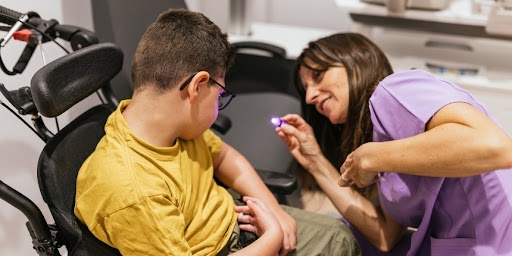
Children with special needs often face sensory sensitivities, communication challenges, or difficulty understanding dental procedures. Early positive experiences are essential for building lifelong oral health habits.
Common Challenges
- Fear of unfamiliar sounds or textures
- Difficulty sitting still
- Limited verbal communication
How Dentists Support Children with Special Needs
- Tell-show-do techniques
- Visual aids and demonstrations
- Shorter, gradual appointments
- Calm, friendly environments
Creating a welcoming atmosphere helps children feel supported rather than rushed or pressured.
Special Needs Dentistry for Adults
Many adults with special needs struggle to find dental providers who understand their challenges. As responsibilities and health conditions change with age, oral care often becomes more complex.
Adult-Specific Considerations
- Difficulty maintaining daily oral hygiene
- Increased risk of gum disease and tooth decay
- Medication-related dry mouth
- Anxiety from past dental experiences
Personalized dental care focuses on prevention, education, and ongoing support to maintain long-term oral health.
Special Needs Dentistry for Seniors
Older adults may develop special needs due to aging, medical conditions, or cognitive changes. Dental care for seniors requires careful coordination and adaptability.
Common Senior Dental Challenges
- Memory-related conditions affecting oral hygiene
- Difficulty traveling or transferring to dental chairs
- Wear and tear on teeth and restorations
By adapting appointment length, positioning, and communication methods, dentists can provide seniors with respectful and effective care.
Creating a Comfortable Dental Environment
A supportive dental environment can significantly improve the experience for patients with special needs.
Key Elements of a Patient-Centered Approach
- Quiet treatment areas when possible
- Gentle lighting and minimal sensory triggers
- Clear explanations using simple language
- Patience and flexibility during appointments
Small adjustments can make a big difference in helping patients feel understood and valued.
Preventive Care Is Especially Important
Preventive dentistry plays a crucial role in special needs dental care. Many patients face a higher risk of oral health issues due to diet, medications, or limited dexterity.
Preventive Strategies Include:
- Regular dental exams and cleanings
- Customized oral hygiene instructions
- Fluoride treatments to strengthen enamel
- Early detection of cavities and gum disease
Prevention helps reduce the need for complex procedures and supports overall health.
Addressing Dental Anxiety in Special Needs Patients
Dental anxiety is common, especially among patients who have had negative experiences or sensory sensitivities.
Effective Anxiety-Reducing Techniques
- Gradual exposure to dental visits
- Consistent scheduling with familiar staff
- Clear explanations before each step
- Allowing breaks when needed
Building trust over time often leads to more relaxed and productive visits.
How Special Needs Dentistry Supports Overall Health
Oral health is closely connected to overall health, especially for individuals with medical conditions. Untreated dental problems can contribute to:
- Pain and infection
- Difficulty eating or speaking
- Worsening systemic health issues
Personalized dental care helps prevent these complications and supports a better quality of life.
Why Choose Designers Smiles Family Dentistry for Special Needs Care?
At Designers Smiles Family Dentistry, special needs dentistry is guided by compassion, patience, and individualized attention. Every patient deserves dental care that respects their unique needs and personal comfort.
By focusing on personalized treatment plans, preventive care, and supportive communication, the practice strives to make dental visits a positive experience for patients of all ages and abilities.
Frequently Asked Questions (FAQs)
1. Is special needs dentistry only for children?
No. Special needs dentistry is for patients of all ages, including adults and seniors who may have medical conditions, acquired disabilities, or age-related challenges that affect dental care.
2. How do dentists make dental visits easier for patients with special needs?
Dentists use techniques such as clear communication, visual aids, shorter or slower-paced appointments, gentle care methods, and a calm environment to help patients feel comfortable and safe.
3. Can patients with special needs receive routine dental treatments?
Yes. Most patients with special needs can receive routine dental care such as cleanings, exams, fillings, and preventive treatments, with appropriate adaptations based on their individual needs.
4. Why is preventive dental care important for patients with special needs?
Preventive care helps reduce the risk of cavities, gum disease, and infections, which can be more common in patients with special needs due to medications, diet, or difficulty maintaining oral hygiene.
Special needs dentistry is about more than dental procedures, it’s about understanding people. With the right approach, patients with special needs can receive the best dental care in an environment that feels safe, supportive, and respectful.
Personalized dental care empowers individuals and families to maintain healthier smiles and improved well-being throughout every stage of life.